Sunday, May 25, 2014

Food in Jars and Vanilla-Rhubarb Jam

I received a copy of this a year or two ago in exchange for an honest review. I'm sorry it has taken so long, but I've thumbed through it with longing on multiple occasions. I declared 2014 to be the year of food in jars!

Food in Jars: Preserving in Small Batches Year-RoundFood in Jars: Preserving in Small Batches Year-Round by Marisa McClellan
My rating: 5 of 5 stars

If Marisa McClellan wanted to consider another profession, I think she would take easily to perfumer. Her flavor combination ideas just in this book alone make me want to try every recipe and stock my pantry with little batches of goodness.

The recipes catching my eye the first time through:
-Vanilla-Rhubarb Jam with Earl Grey
-Chunky Fig Jam
-Apple Pumpkin Butter
-Orange Vanilla Curd

You get the idea. I've had some of these recipes marked for a year and finally had a chance to make the Vanilla-Rhubarb Jam, and instead of Earl Grey I used my Reading Envy tea which is part Earl Grey, part coconut. This is a lovely light but intricately flavored jam! I've been putting it on toast this week but will bring it to work in the form of oatmeal jam bars.


The recipes in this book include directions for small batch canning, but the recipes aren't in great quantities, so it is just as easy to consume what is made. The idea behind small-batch preserving is to eat some, save some. Many of the recipes could also be frozen. If canning intimidates you, you could either simply not do those steps or allow McClellan to instruct you in your first attempts.

She also has a fabulous blog, Food in Jars, with additional instructions (I went to it to find out how to substitute powdered pectin for liquid in the recipe I was trying, to great success.)

Just a personal note: Marisa McClellan is the sister of Raina Rose, a singer-songwriter from Portland who I first encountered on the streets of Memphis (during an art walk) and lives in Texas. It's a small world out there in internet land, and I had followed both before knowing they were connected.

Monday, May 12, 2014

Low-Carb Biscuits (also gluten free)

This is just a non-sweet version of the shortcakes I posted yesterday, since they were a great success.  They don't exactly taste like biscuits but still pretty close, more biscuit-like than English muffin-like. 

These are flatter; I used the same recipe and baked it in four 6-oz ramekins with vertical sides.  It was pretty hard to get them out without breaking; perhaps next time I'll just draw some circles on some parchment paper and do it that way.  And there will be a next time.  The insides of breakfast sandwiches are already so easily low-carb, we were only missing the outsides!

Low Carb Biscuits

3 tbsp butter, melted
3 eggs
1/4 tsp salt
1/4 tsp vanilla
1/4 cup sifted coconut flour
1/4 tsp baking powder

Combine dry ingredients, and mix in the wet ingredients.  Scrape batter into greased muffin cups, ramekins, or spread in small circles on parchment paper. Bake at 375 for 15 minutes. Makes 4-6 biscuits depending on your container and size.  Gently split in half to use for a breakfast sandwich.

Sunday, May 11, 2014

Low-carb Shortcake (also gluten-free)


Strawberry season is almost a month late in South Carolina, but as soon as Swamp Rabbit Cafe started selling strawberries from Beechwood Farms, we were there buying a gallon. 

People who are diabetic may not indulge in the number of strawberries that we do in the Colvin household, but the shortcakes themselves are indeed low-carb, so your mileage may vary.  I adapted a recipe I found online, so I guess at this point it's all mine.  I made them in silicon muffin tins because the batter wasn't stiff enough to roll out, but I think next time I'll just make drop biscuit versions to allow them to be a little larger (this picture has three!)

Low-Carb Shortcakes

3 tbsp butter, melted
3 eggs
3 tbsp brown-sugar Splenda
1/4 tsp salt
1/4 tsp vanilla
1/4 cup sifted coconut flour
1/4 tsp baking powder

Combine coconut flour with baking powder, salt, and Splenda. Make a well, and pour in melted butter, eggs, and vanilla. Pour batter into greased muffin cups. Bake at 375 for 15 minutes. Makes 6 cakes.

Saturday, May 10, 2014

Low-Carb Cinnamon Streusel Muffins

Nathaniel brought home Bob's Red Mill Low-Carb Baking Mix, so I made one of the recipes off the back to give it a try.  It wasn't free, so this isn't a plug or a review.

I couldn't bear to have "just muffins," without a flavor other than "muffin."  So I added cinnamon to the dry ingredients and made a low-carb streusel with brown sugar Splenda and cinnamon for the tops.  These were decent as low-carb baked goods go, I just wish I had a better sense of what else I can do with the mix.  I'm not sure exactly what it can substitute for.  The texture of these muffins weren't any better/worse than some of the paleo banana bread I have made in the last year.  Which means you can use the mix instead of starting from scratch, but I'm not sure it is as cost effective.

Friday, May 09, 2014

Paleo Mock Cornbread


For the second day of ramp experimentation, I sauteed the last bunch (stems and leaves), then added to scrambled eggs and goat cheese.  Since this was dinner, I decided to try the mock cornbread recipe from The Paleo Chocolate Lovers Cookbook.  The recipe is all almond and coconut with a few other ingredients.  It was pretty decent for two people who just don't eat most breads anymore.  It was a nice addition to a very springy meal, despite the rain outside.

I got this cookbook as a gift, so there is no disclaimer needed, except to say this is where you go for the recipe.  I need to experiment a lot more with this one!

And of course somehow I made the only non-chocolate recipe in the entire thing.  The author claims you can make french toast out of this cornbread but I'm a skeptic.  Maybe I'll try it next time!

Thursday, May 08, 2014

Ramp Gnudi

For several years now, I have been on the hunt for ramps.  Foodies and bloggers would rave about them and I would hear how they sold out from the farmer's market by the time I arrived, or they'd be available at my local market for such a short time that I'd either miss it or the selection remaining would be too wilted for any good.

THIS YEAR I KNEW I WOULD FIND THEM.

And I did!  A local market that I seem to spend a lot of time at lately, the Swamp Rabbit Cafe & Grocery, posted a picture of ramps right around closing last Saturday, so you'd better believe I was at their front door at 9 AM on Sunday!  Nobody else was pounding down the door to get to the ramps, but better safe than sorry.  I picked up three bunches to experiment with - two to make ramp gnudi and one to use with eggs. 


What are ramps?  Ramps are a variety of an onionlike vegetable that grows in the wild.  This requires it to be foraged and resold for them to end up in my hands.  You can eat the leaves, the stems, and the bulbs, but the picture you are seeing above is after extreme cleaning.  The bunches I picked up were caked in mud and the bulbs were covered with a protective skin.

I had been coveting the Ramp n' Ricotta Gnudi I had seen at the Hungry Tigress blog, so that is the first place I turned when the ramps were burning a hole in my ... fridge.  She instructs you to add the greens to the gnudi mixture, but cooked first.  I have a feeling her homemade ricotta had less moisture than what I bought (although I did strain mine), because to get mine to stay together in the boiling water, I had to add parmesan cheese and a bit more flour (I was trying to keep them as low-carb as possible.)


The recipe instructs you to save the stems and bulbs for another purpose, but I couldn't fathom not making this dish as rampy as possible.  So I sauteed them in some olive oil, and served the ramp n' ricotta gnudi with the ramp stems/bulbs, also drizzled with local truffle olive oil.  The flavors of spring!

It tasted pretty good, but I have a weird texture issue with anything dumpling like.  I probably wouldn't make them again but my husband liked them!  Still, I'm just happy to finally get a chance to experiment with ramps!

Wednesday, May 07, 2014

Gluten-free Brazilian Cheese Puffs

In my gluten-free baking experiments, I admit that my brain can more easily wrap around the lesser complicated recipes!  Especially during the week, I just don't to try that hard.

I was intrigued by the Brazilian Cheese Puffs recipe.  I keep seeing a similar baked good at a local cafe, but had not tried one.  I was also curious what a recipe that relied on tapioca flour would taste like!

You can see how chewy these are by the inside structure.  That's the tapioca, which is similar to or exactly like yuca or cassava. 

 
They were chewy and I mean chewy.  Chewy chewy.  Not so much a bread as ... hmm, what is a good example of something chewy?  I found it a bit disconcerting to eat them on their own.  Also they heat up in 3-4 seconds in the microwave; any more time than that and they were red-hot.


I had some vegetarian sausages in the fridge, and cooked one.  The best thing I did was wrap some of these cheese biscuits around sections of the sausage, a great flavor and texture combination.  I packaged up the rest and brought them to my GF friend, but never heard anything (I think she would probably say, if I asked, that this was not the most successful gluten-free recipe.)

This is another recipe from Gluten-Free Bread, which I got from the publisher in exchange for an honest review. It's taking me a while to work my way through it so it will make a frequent appearance for a while!

But, you know, full disclosure.

Tuesday, May 06, 2014

Gluten Free Chapatis

I was sent a copy of this cookbook by the publisher in exchange for an honest review.  It has taken me forever to post anything about it because of the difficulty of gathering ingredients.  That isn't the publisher or the author's fault, just a truth about gluten-free baking.

I will post several recipes linked to this book, because it has a wide scope of quick loaves, yeast loaves, and unique breadlike creatures.

The introduction section is very useful and explains the function of each of the ingredients, which are legion in most of the recipes.

One of the simplest recipes is what I tried first - chapatis.  I started there because I already had chickpea flour in my pantry, probably from making socca or fritters.


Chapatis, an Indian flatbread, tend to be made with wheat or whole wheat flour, which of course relies on gluten to hold together.  Making them just from chickpea (aka garbanzo bean) flour was a greater challenge, and I had to really use a light touch with extra flour on my hands to flatten them and prepare them for pan frying.

The flavor of chickpea flour would make these a nice accompaniment to Indian food as it is traditionally enjoyed, but also Mediterranean or Caribbean - really anything with interesting spices!  This was a recipe that also just happens to be lower-carb, so I will probably make this again.

Monday, May 05, 2014

Low-Carb, Gluten-Free, Paleo Baking Experiments

It is my non-professional opinion that anyone who doesn't need to eat low-carb, low-sugar, gluten-free, or paleo would never do it because the ingredients are so expensive, difficult to track down, and you need so many of them!

Here is the result of three different trips to four different stores, and I was still missing coconut sugar....


I don't need to eat gluten-free, knock on wood and thank goodness.  But I have friends who do, so I jumped at the opportunity to review this Gluten-Free Bread cookbook.  This explains the potato starch, tapioca flour, almond meal, sorghum flour, flaxseed, xantham gum, arrow root, chickpea flour, chia seeds, and rice flour.  Phew.  See, you need a combination of things to make up for what wheat flour does on its own.  I had grand plans to bake a bunch from the book at once and bring to my GF friend when she had surgery, but it took so long to find all the ingredients I've only managed a few experiments so far.  I'll post about them in the next few days, and continue doing so as I try things out.

The Paleo Chocolate Lover's Cookbook was a Christmas gift but I didn't really crack into it until lately.  It's another example of obscure ingredients, although there are fewer, and they tend to repeat throughout the cookbook.  Paleo is closer to how we eat at my house because paleo uses nut flours and coconut flour and coconut milk, without the higher-carb wheat replacements that often make up gluten-free baking.  Paleo tends to be gluten-free, but is more limited.  Or limited differently.  I still have to find different sweetening options because honey and maple syrup, the two most frequent paleo sweeteners, are too high in sugar.  Some call for coconut sugar, which I've heard is lower carb.  If only I could find it....

Stay tuned for experiments! 

Sunday, May 04, 2014

Crack Pie from Momofuku


This won't be the first time I've made something from Momofuku Milk Bar in this blog. Last June, I made their recipe for Cornflake-Chocolate Chip-Marshmallow Cookies.  Since then we have splurged and ordered their compost cookies from Goldbely.

I didn't set out to make another one of their recipes!  But I had been making a lot of recipes that called for egg whites and was determined to not just toss out my egg yolks after they were forgotten in the fridge.  I found an amazing list of what to do with egg yolks, sorted by the number of egg yolks you had.  I've always heard about Crack Pie, and I had the other ingredients on hand, so it was an easy solution. 

There are a handful of slightly varying recipes for the Momofuku Crack Pie around the internet.  I used the recipe as printed in the LA Times, which made two pies and used eight egg yolks.  I knew I could bring them to work and they would be eaten.

What exactly is crack pie, since that only describes how addictive it is?  If you imagine a pecan pie filling with no nuts, but then tempered with milk and a cookie crust, that is what a crack pie is.  It is one of their standard offerings.  It isn't pretty to look at but if you know what you are in store for, it doesn't matter.

Since the internet has everything, you can watch the pastry chef herself make this recipe.

Saturday, May 03, 2014

How to Say Goodbye

We had a goodbye party for a co-worker, and I made cakes!

I didn't want to bring something I'd already made, so I scanned the cake recipes I'd pinned to my Recipes to Try - JennyBakes board and picked two.

One was this luscious and easy peanut butter cake from The Girl Who Ate Everything.  You can ignore the part about using it to get pregnant.  The sheet cake bakes in 15 minutes and the icing cooks quickly.  I'm not sure I've made anything easier and it was really delicious.  Filing this one away for the future!  If you make it, you might want to make sure people know it is peanut butter and not caramel cake - it sure looks like a caramel cake.  It messed with taste bud expectations a bit for my very southern co-workers!


The other cake took far more effort.  I based it on the Red Velvet & Raspberry Supreme Cake from Sweetapolita, but I used strawberries instead of raspberries, and didn't have enough to put on top.

From the outside, this cake looks like it might be simple.

Inside, the red velvet cake layers alternate with two different fillings - one is a pink whipped cream that has berries folded into it, and the other is a marshmallow cream cheese filling.  It was a lot of work and I think the two different fillings weren't different enough to have made the effort worth it; but both of them were good.  I think I'd prefer the marshmallow cream cheese with a peanut butter cake, or a rich chocolate cake. 


I was tempted to leave the chocolate frosting off and just let the layers speak for themselves, but I think that was one of the best parts of the cake.  I apologize for my messy decorating - I had spent four hours making the two cakes and was exhausted so I just called it good! 

Monday, March 24, 2014

Chocolate Party Cake AKA Stress Cake


I needed a cake for a party and hit the internet for inspiration.  I kept seeing accolades for the Double Chocolate Layer Cake from Gourmet Magazine, March 1999, thankfully preserved on the Epicurious recipe website.  This recipe makes a TON.  It calls for two 10x2 round pans, which I do not have in my collection.  The batter filled three 9" round pans plus two 1 cup ramekins.  SO MUCH CAKE.


Since I was bringing a cake to a gathering with only four people, I used exactly half the cake layers in my first rendition of the cake - one whole round split in two horizontally, and half of another.  I wrapped the remaining layer and a half in plastic for later.  I put ganache between the layers and on the outside as directed, but I also layered raspberry jam (slightly heated and stirred) directly onto the cake first.  I chilled the cake overnight, but chilling it changes things.  I think if you can avoid it at all, don't let it anywhere cold, just allow longer for the ganache to set. 

Meanwhile, in another arena of my life, stressful events were occurring.  I recreated the cake, heavier on the jam the second time, and cut it into wedges.  I wrote little notes with each wedge, deeming it Stress Cake.  Does chocolate solve anything?  No, but it can definitely make life a bit easier to handle.

Double Chocolate Layer Cake
 (recipe from Gourmet March 1999, on Epicurious.com)

Ingredients

For cake layers
  • 3 ounces fine-quality semisweet chocolate such as Callebaut 
  • 1 1/2 cups hot brewed coffee
  • 3 cups sugar
  • 2 1/2 cups all-purpose flour
  • 1 1/2 cups unsweetened cocoa powder (not Dutch process)
  • 2 teaspoons baking soda
  • 3/4 teaspoon baking powder
  • 1 1/4 teaspoons salt
  • 3 large eggs
  • 3/4 cup vegetable oil
  • 1 1/2 cups well-shaken buttermilk 
  • 3/4 teaspoon vanilla

 For ganache frosting
  • 1 pound fine-quality semisweet chocolate such as Callebaut
  • 1 cup heavy cream
  • 2 tablespoons sugar
  • 2 tablespoons light corn syrup
  • 1/2 stick (1/4 cup) unsalted butter
Special equipment
  • two 10- by 2-inch round cake pans

Make cake layers:
Preheat oven to 300°F. and grease pans. Line bottoms with rounds of wax paper and grease paper.
Finely chop chocolate and in a bowl combine with hot coffee. Let mixture stand, stirring occasionally, until chocolate is melted and mixture is smooth.
Into a large bowl sift together sugar, flour, cocoa powder, baking soda, baking powder, and salt. In another large bowl with an electric mixer beat eggs until thickened slightly and lemon colored (about 3 minutes with a standing mixer or 5 minutes with a hand-held mixer). Slowly add oil, buttermilk, vanilla, and melted chocolate mixture to eggs, beating until combined well. Add sugar mixture and beat on medium speed until just combined well. Divide batter between pans and bake in middle of oven until a tester inserted in center comes out clean, 1 hour to 1 hour and 10 minutes.
Cool layers completely in pans on racks. Run a thin knife around edges of pans and invert layers onto racks. Carefully remove wax paper and cool layers completely. Cake layers may be made 1 day ahead and kept, wrapped well in plastic wrap, at room temperature.

Make frosting:
Finely chop chocolate. In a 1 1/2- to 2-quart saucepan bring cream, sugar, and corn syrup to a boil over moderately low heat, whisking until sugar is dissolved. Remove pan from heat and add chocolate, whisking until chocolate is melted. Cut butter into pieces and add to frosting, whisking until smooth.
Transfer frosting to a bowl and cool, stirring occasionally, until spreadable (depending on chocolate used, it may be necessary to chill frosting to spreadable consistency).
Spread frosting between cake layers and over top and sides. Cake keeps, covered and chilled, 3 days. Bring cake to room temperature before serving.

Tuesday, March 18, 2014

Paleo Banana Bread Redux

Somehow I am trapped in this cycle of making the same recipes and not having a lot of new things to post about.  When we were trapped at home (in South Carolina) with snow and ice, twice, I made paleo banana bread.  Snow always has meant sweet treats but sweet can be healthier too.

I used the same paleo banana bread recipe from before, once as bread, and once as muffins with various ingredients folded in. 

I actually think the recipe shines best in loaf form, but I have always had to bake it considerably longer than the recipe states.  My bananas might be bigger than your bananas.


With the muffins, I made some with chocolate chips (definitely not paleo), some with blueberries (still paleo) and some with a cinnamon-splenda streusel mixture that I've been making cinnamon toast with a lot lately, like a crazy person, using sprouted grain bread.  Or should that be "bread" in quotation marks, I'm uncertain.  The biggest issue with these muffins is that in my rush to not add honey but to substitute it with splenda, I forgot to sweeten them at all.  Whoops!


Sunday, March 16, 2014

Pop Tart Party


Earlier this year, a few co-workers planned a pop tart making party.  After work, we drove in a caravan over to B's home with pop tart fillings in tow.  Two people had made doughs to try, and we spent a few hours rolling out dough, filling it, baking the tarts, and tasting our concoctions. 


Some of the best fillings:
-Cinnamon sugar (recipe below)
-Prune (I based it on the apricot filling on this page but used prunes instead)
-Apricot jam
-Nutella

Some of the challenging fillings:
-Smores. Oh this sounds like SUCH a good idea right but the marshmallow burns out and leaves a gaping hole, or explodes through the dough (see below).
-Jam - in general unless it was a chunky jam (see above with apricot) more of it ended up on the cookie sheet than in the poptart.

You can find more ideas for fillings on this article about Bay Area Chefs.


My favorite dough comes from King Arthur Flour, because it was so flaky (pictured above in the hearts in the upper right)!  We also had this filling on hand, and it was tasty although bakes pretty thin inside the dough.

Pastry
2 cups (8 ½ ounces) King Arthur Unbleached All-Purpose Flour
1 tablespoon sugar
1 teaspoon salt
1 cup (2 quarter-pound sticks, 8 ounces) unsalted butter, cut into pats
1 large egg
2 tablespoons (1 ounce) milk

Cinnamon Filling
1/2 cup (3 ¾ ounces) brown sugar
1 to 1 1/2 teaspoons ground cinnamon, to taste
4 teaspoons King Arthur Unbleached All-Purpose Flour
1 large egg, to brush on pastry before filling
Make the dough: Whisk together the flour, sugar, and salt. Work in the butter until the mixture holds together when you squeeze it, with pecan-sized lumps of butter still visible. Mix the egg and milk, and add it to the dough, mixing just until everything is cohesive.

Divide the dough in half; each half will weigh about 10 ounces (about 280g). Shape each half into a rough 3" x 5" rectangle, smoothing the edges. Roll out immediately; or wrap in plastic, and refrigerate for up to 2 days.

Make the filling: Whisk together the sugar, cinnamon, and flour.

Assemble the tarts: If the dough has been chilled, remove it from the refrigerator and allow it to soften and become workable, about 15 to 30 minutes. Place one piece on a lightly floured work surface, and roll it into a rectangle about 1/8" thick, large enough that you can trim it to an even 9" x 12". Laying a 9" x 13" pan atop the dough will give you an idea if you’ve rolled it large enough. Trim off the edges; place the scraps on a baking sheet, and set them aside, along with the 9" x 12" rectangle of dough.

Roll the second piece of dough just as you did the first. Press the edge of a ruler into the dough you’ve just rolled, to gently score it in thirds lengthwise and widthwise; you’ll see nine 3" x 4" rectangles.

Beat the egg, and brush it over the entire surface of the dough. Place a heaping tablespoon of filling into the center of each marked rectangle. Place the second sheet of dough atop the first, using your fingertips to press firmly around each pocket of jam, sealing the dough well on all sides. Press the tines of a fork all around the edge of the rectangle. Cut the dough evenly in between the filling mounds to make nine tarts. Press the cut edges with your fingers to seal, then press with a fork, to seal again.

Gently place the tarts on a lightly greased or parchment-lined baking sheet. Prick the top of each tart multiple times with a fork; you want to make sure steam can escape, or the tarts will become billowy pillows rather than flat toaster pastries. Refrigerate the tarts (they don’t need to be covered) for 30 minutes, while you preheat your oven to 350°F.

Sprinkle the dough trimmings with cinnamon-sugar; these have nothing to do with your toaster pastries, but it’s a shame to discard them, and they make a wonderful snack. While the tarts are chilling, bake these trimmings for 13 to 15 minutes, till they’re golden brown.

Remove the tarts form the fridge, and bake them for 25 to 35 minutes, until they’re a light golden brown. Remove them from the oven, and allow them to cool on the pan.
Yield: 9 tarts.

Saturday, January 18, 2014

How to Say Welcome - Crumb Cake

We recently welcomed a new music librarian at the university where I work.  I used to be the music librarian but had moved into a new position, and found it difficult impossible to do both jobs, particularly since it involved two buildings and two offices.  I am very excited about the librarian we hired! 

In my work culture, we have a time each day where many of the staff members and maybe a few of the librarians gather for break in the main library.  On days of celebration, we have "official" breaks - welcome breaks, goodbye and good luck breaks, birthday breaks, anniversary breaks - we love to have parties and bring food in that we've made. 

In trying to decide what to make for the welcome break, I couldn't get a crumb cake picture out of my head that I'd come across on the Cakespy blog.  I decided that a crumb cake was the way I was going to say "Welcome!"  This is a great recipe, highly recommended.  The only tip I'll add is not to mound too many big crumbs in the center, because I had a harder time getting that part to bake through.


Crumb Cake

Recipe from Jessie Oleson Moore from Cakespy on Craftsy, adapted from The Food Maven.
Link to Craftsy includes photos of almost every step.


Makes one 9″ by 13″ cake

Ingredients:

For the topping

2 ½ cups all-purpose flour
2 tablespoons ground cinnamon
½ teaspoon salt
1 ½ cups packed dark brown sugar
1 cup (2 sticks) unsalted butter
2 teaspoons vanilla extract
Confectioner's sugar for dusting the top (optional)

For the cake

2 ¼ cups all-purpose flour
2 teaspoons baking powder
½ teaspoon baking soda
½ teaspoon plus 1 pinch salt
1 cup (2 sticks) unsalted butter, softened to room temperature
1 cup granulated sugar
2 large eggs
1 ½ teaspoons vanilla extract
1 cup sour cream


  1. Prepare the topping. In a large bowl, sift together the flour, cinnamon and salt. Mix with the brown sugar. Set this to the side. 
  2. In a medium saucepan, melt the butter over low heat. Once melted, pour on top of the dry mixture. Add the vanilla. Stir with a fork until the mixture comes together to form small crumbs (if you clump it in your hand, it should easily form crumbs). Set the crumb mixture aside in a bowl.
  3. It’s time to make the cake. Preheat the oven to 350 degrees F. Generously grease a 9″ by 13″ pan. Place a rack in the middle position of your oven.
  4. In a large bowl,  whisk together the flour, baking powder, baking soda and salt. Set to the side.
  5. In the bowl of a stand mixer (or using a hand mixer,) cream the butter until smooth. Add the sugar, and continue mixing until light and fluffy, about 5 minutes in a stand mixer. Scrape the sides of the bowl as needed using a rubber spatula.
  6. Add the eggs, one at a time, pausing to scrape the sides of the bowl with each addition. The mixture may look somewhat curdled. That is OK. Blend in the vanilla.
  7. Reduce the mixing speed to low. Add the dry ingredients in three additions, alternately with the sour cream. Start and end with the dry ingredients. Continue scraping the sides of the bowl with a rubber spatula as needed. Blend only until combined and uniform in appearance. This batter will be thick.
  8. Spoon the batter into the well-greased pan and smooth with a flat rubber spatula.
  9. Grab a handful of the crumbs and break on top of the spreaded cake. Continue, making crumbs of your desired sizes all across the surface of the cake. You need to cover all of the surface with crumbs, or the cake may bubble over the crumb mixture. Gently pat the crumbs into the batter with your hand or a wooden spoon, but don’t press too hard.
  10. Bake in the preheated oven for 30 minutes, or until the cake is golden brown on top and begins to shrink from the sides of the pan. Remove from the oven and place the pan on a wire rack to cool. If desired, dust the top with confectioners’ sugar. Once cool or just lightly warm, slice into squares (or slabs, depending on your mood and appetite.)
Store leftovers, well wrapped, at room temperature for up to 3 days.

Monday, January 13, 2014

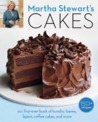
Review of Martha Stewart's Cakes and Chocolate Hazelnut Meringue Cake

Martha Stewart's Cakes: 150 Recipes for Layer Cakes, Loaves, Bundts, Cheesecakes, Icebox Cakes, and MoreMartha Stewart's Cakes: 150 Recipes for Layer Cakes, Loaves, Bundts, Cheesecakes, Icebox Cakes, and More by Martha Stewart Living
My rating: 4 of 5 stars

Similar in look and feel to Martha Stewart's New Pies and Tarts: 150 Recipes for Old-Fashioned and Modern Favorites, this cookbook will have something for everyone. There are a few updated recipes for specific diets (a sprinkling of gluten-free) but most of these recipes are solid, traditionally based cakes. There are as many recipes for bundts and loaves as there are for layer cakes, so this cookbook puts more emphasis on simplicity of form. This means plenty of recipes for bakers who don't fancy themselves as cake decorators!

I made the gingerbread loaf but because of user error had to throw it away (too much salt!). I made the Chocolate and Hazelnut Meringue Cake for New Year's Eve.


The other recipes that caught my attention in particular:

Gingerbread Cheesecake
Cranberry Upside Down Cake
Black Forest Cake

Hmm, must be the season. The nice thing is, there are recipes for every season. There is even a cake for when gardeners have an abundance of summer squash!

The one omission I am really surprised about is that the recipe for the best cake ever, the Salted Caramel Chocolate Cake from Martha Stewart Living, would be left out of her first cake cookbook. It is a recipe I recommend to everyone and always hear rave reviews when I make it. I was sad not to see it here, but since the rest of these recipes come from the same editorial crew, this is a solid cookbook.

Wednesday, January 08, 2014

Two Turkish Drinks (Iki İçecek Türkçe)

In all my Turkish cooking and baking in 2013, there is definitely an importance placed on some of the beverages consumed on a regular basis.  Tea is what is mentioned most often, served as a sign of hospitality and consumed throughout the day.  Most people are aware of Turkish coffee served in the tiny cups, but what about sahlep? 

Since Christmas I have attempted to make Turkish coffee and sahlep, and this is the tale of the two drinks.


I read the directions for Turkish coffee many times before my first attempt.  Use only the most finely ground of Turkish coffees, and use the very specific pot that is wider on the bottom with a wooden handle.  (I got these for Christmas, so that was easy. Check!) Mix the coffee into the water cold. Stir in sugar and a pinch of cardamom. Let it just come to a boil and pour some of the foam into the cup.  Let it come just to a boil twice more.  Well, it never completely boiled, since I had it at such a low heat.  I let it pucker a bit and called it good.  I had no idea if I had done it right, but later that week we had "Egyptian" coffee at an Egyptian restaurant and it tasted pretty much the same.  So hooray, now I can make Turkish coffee!  


Sahlep is a hot drink, often consumed on snowy winter days, which is supposed to be made from the sahlep powder, from the orchid that is also used for the so-called chewy ice cream.  I was in an international market and got very excited to find sahlab powder mix. There is even a picture of an orchid on the cover!  It was not until I got it home that I realized it is just salep-flavored cornstarch.  I was so disappointed!   Plus it is from Lebanon, not Turkey, which explains the language variation.  I do not believe I have had sahlep as of yet, but am on a quest for the actual powder.  At one point, when reading about chewy ice cream in The Kitchen as Laboratory, I learned that it was illegal to export salep from Turkey.  If this is the case, I will not get to actually try this drink until I make a visit.  It seems like a warming drink, even if what I made was not authentic. If you find salep powder, the New York Times had a pretty simple recipe for it.  The box mix I picked up recommended also adding a little orange or rose water to it when serving it.

Monday, January 06, 2014

Review of Butter Baked Goods (and amazing pumpkin chocolate chip blondies)


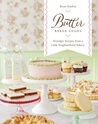
Butter Baked Goods: Nostalgic Recipes From a Little Neighborhood Bakery
by Rosie Daykin


The gorgeous photography in this cookbook made me long for a neighborhood bakery like Butter Baked Goods. Since I don't live anywhere near Vancouver, BC, I am very lucky to have the cookbook to help me recreate their treats.

The recipes reflect what is served in the bakery and cafe - muffins and scones, cookies, bars, cakes, cupcakes, pies and tarts, and then there are the marshmallows. Butter is famous for its marshmallows, in all flavors, and also a component in several of the recipes. Several variations are contained in this cookbook, and that is what I'm looking forward to trying the most. I'm thinking of coffee flavor! I also have my eye on the Smores Bars, which look incredibly decadent, and utilize the handmade marshmallow.

Since I bake so often for other people, and bring things to work, I like recipes that are simple. I'm particularly enamored with the bar cookie chapter, which includes the very Canadian Nanaimo bar that is a must-try when baking Canadian!

Since I received a copy of this in the fall, I immediately made the Pumpkin Chocolate Chip Blondies, which were a huge hit!


Tuesday, December 31, 2013

The Best of JennyBakes in 2013

This was an interesting year of international baking experiments and further attempts to making low-sugar baking palatable.  Along the way, I made some memorable dishes!
  1. The time I colored eggs using natural dye
  2. The first attempt at Turkish cooking - börek (and it was delicious)
  3. Frying food is always scary, but for a once-in-a-lifetime holiday of Thanksgivukkah, I made an exception for pumpkin butter sufganiyot
  4. A new reading friend said I needed to bake with more poppy seeds, and sent me a recipe to try.
  5. Puerto Rican comfort food becomes a breakfast favorite in my house
  6. An anniversary dessert so decadent we couldn't even finish our pieces
  7. A trip to a random bakery leads to a Finnish breakfast treat that we find excuses to make
  8. Finding my way with coconut flour and a trusted blogging friend = decent low carb pancakes
  9. Experimenting with the newest trendy food (I'm not convinced)
  10. A special holiday dessert combining unexpected ingredients
Happy New Year everyone!  My only culinary resolution is to bake and post more in 2014!


Saturday, December 21, 2013

Review of Wintersweet: Seasonal Desserts to Warm the Home

Wintersweet: Seasonal Desserts to Warm the HomeWintersweet: Seasonal Desserts to Warm the Home
by Tammy Donroe Inman
My rating: 5 of 5 stars

Publisher summary:
While many people think cold weather spells the end of the spectacular seasonal ingredients that make baking so exciting, Tammy Donroe Inman thinks otherwise. For Tammy, winter is the sweetest time of the year—a season that practically begs you to stay inside, fire up the oven, and produce decadent desserts from the bounty of wholesome winter ingredients like squashes and pumpkins, parsnips and carrots, pears, apples, citrus of all stripes, and feel-good ingredients like nuts, cheese, and chocolate.

The fresh and rustic recipes in Wintersweet push the envelope of traditional winter desserts like pumpkin or apple pies, with such delicacies as Pear Cranberry Clafouti, Spicy Prune Cake with Penuche Frosting, and Goat Cheese Cake with Dried Cherry Compote, plus a few surprises like Chocolate Beet Whoopie Pies, Parsnip Spice Cupcakes and for those in need of a winter pick-me-up, Coconut Sunshine Cake with Citrus Curd. These are recipes that celebrate the cozy character of winter—for when you’re snowed in and need the perfect blizzard boredom-buster, to your next family gathering around the fire.
This is a beautiful cookbook with stunning photography, and probably my favorite of 2013. The idea of building a cookbook around winter ingredients for baked goods is brilliant and much appreciated. There are chapters on nuts and squashes and citrus, to name a few. I appreciated the variety and creativity.  This is not just a book of rehashed recipes that you have made before!

Both recipes I tried were not dishes I had seen in other cookbooks, and had interesting flavor profiles. I made the butternut squash cake twice!

Butternut squash cake:


Cocoa Pomegranate Pavlova (I couldn't resist the striking color in this dish and the added ingredients of balsamic and cardamom made for a very sophisticated bite.)


Highly recommended, and would make a wonderful holiday gift!

I received a copy of this from the publisher in exchange for an honest review.  I knew from first glance I'd have to try the cover recipe (the pavlova.)

Sunday, December 15, 2013

Cookie Box 2013

This is my last December as the Music Librarian at Furman University (I'm still working in the library but we hired a new music librarian to start in January) and this year I made some of my old favorites for all the student workers who cycle through shifts in the music library between 8 am and midnight.  I always try to have snack bags put together by Study Day, that brief gap between classes and final exams.  I rediscovered the holiday-themed takeout boxes I'd bought last year on post-holiday super-clearance sales at World Market, and decided they would be perfect for Study Day Treats.


All in all, 17 students cycle through the music library on a regular basis, and I had 15 boxes.  I decided to give the two students who consistently take the 8 am shifts bigger containers with more treats.  8 am is rough! (Don't tell the others.)

Should we take a look inside?  I tried for one piece of fudge and two of each cookie.  My original plan of course included more, but at this point of the evening I had been making cookies for four hours and decided to call it good!

I posted this teaser picture to Instagram, knowing a few of my student workers follow me there.  This is the peppermint fudge, which I made by making the usual fudge recipe but substituting peppermint oil for vanilla and using the peppermint morsels instead of the chocolate.  In the end that meant half the chips were white chocolate, making the fudge milder in chocolate flavor than I would have liked, but it seemed to get better as it aged a bit.  Luckily I had made this a few days in advance.

The cookies inside included:
By the way, we found out that the ginger cookies are just as good with chocolate chips added, but that variety was not included in the boxes.  


Lower Carb Gingerbread Waffles

Sometimes the Internet can make a person feel like a stalker.  I follow Maya from the Alaska from Scratch blog in Pinterest and Instagram, and often see pictures of recipes before they end up on the blog.  (By the way, she also posts the most beautiful pictures of the Alaskan wilderness in Instagram, just breathtaking.)

I had seen the idea of gingerbread waffles and eagerly awaited the recipe, wondering if I could adapt it all all to be lower carb.  Notice that I said lower, not low, because I didn't think it could be gingerbread if I omitted the molasses; nut flours still have carbs albeit it more protein. 

The recipe of what I came up with is below.  If I did it again, I'd probably use less liquid so I didn't have to use coconut flour at all, something I added at the end of mixing everything together and having too thin of a batter.  Still, the flavor of gingerbread is strong in this waffle, and it is a delicious and almost-healthy breakfast recipe for the holiday season.

Lower-Carb Gingerbread Waffles
(Based on the recipe for Gingerbread Waffles on the Alaska from Scratch blog)

Ingredients
  • 2 cups nut flour (almond, hazelnut, etc.)
  • 1/3 cup coconut flour
  • 1 Splenda packet or 2 Tbsp sugar-free gingerbread syrup (if using syrup, add with wet ingredients)
  • 1 teaspoon baking powder
  • 1 teaspoon baking soda
  • ¾ teaspoon salt
  • 1 ½ teaspoons cinnamon
  • 1 ½ teaspoons ground ginger
  • ¼ teaspoon nutmeg
  • ¼ teaspoon ground cloves
  • 4 eggs
  • 6 tablespoons butter, melted
  • 1 cup milk 
  • ½ cup plain Greek yogurt or sour cream
  • 3 tablespoons molasses
Instructions
  1. Preheat a waffle iron and prepare as directed.
  2. In a large mixing bowl, stir together the flours, Splenda, baking powder, baking soda, salt, and spices. In a smaller bowl, whisk together the eggs, butter, milk, yogurt or cream cheese, and molasses. Pour the wet ingredients into the dry ingredients and whisk until completely incorporated.
  3. Fill your waffle iron with batter according to the manufacturer's instructions. Cook until crisp and browned. Serve immediately. Repeat with remaining batter.